
Mastering Crypto Trading Techniques
In the fast-paced world of cryptocurrency, traders are constantly seeking effective strategies to navigate the complexities of the market. With thousands of digital assets available and a myriad of market factors at play, developing a solid understanding of crypto trading techniques is essential for success. In this article, we’ll explore various trading techniques, their advantages and disadvantages, and practical examples to help you become a more proficient trader. For additional resources, Crypto Trading Techniques visit website the crypto trading community for insights and discussions.
Understanding the Basics of Crypto Trading
Before diving into advanced trading techniques, it’s crucial to understand the foundational aspects of cryptocurrency trading. Cryptocurrency trading involves buying and selling digital assets on various exchanges, aiming to profit from price fluctuations. Unlike traditional markets, crypto markets operate 24/7, providing traders with numerous opportunities throughout the week.
To navigate these opportunities effectively, traders often utilize a combination of technical analysis, fundamental analysis, and market sentiment. Each of these analyses plays a critical role in making informed trading decisions.
Technical Analysis: A Key Component
Technical analysis (TA) involves studying historical price data and trading volumes to predict future price movements. Traders employ various tools and indicators to facilitate this analysis. Here are some popular technical analysis techniques:
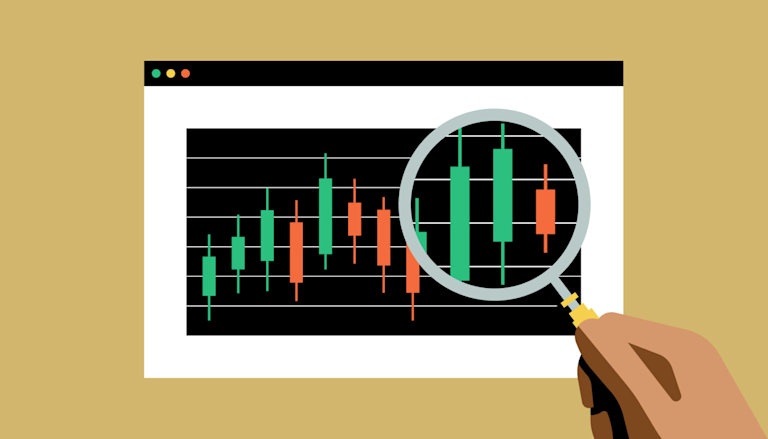
- Candlestick Patterns: Candlestick charts provide visual insights into market sentiment and can help identify potential reversal points. Patterns like the “hammer,” “doji,” and “engulfing” patterns are commonly used by traders.
- Moving Averages: Moving averages smooth out price fluctuations over a specific period, allowing traders to identify trends. The most commonly used are the Simple Moving Average (SMA) and the Exponential Moving Average (EMA).
- Relative Strength Index (RSI): RSI is a momentum oscillator that measures the speed and change of price movements, helping traders identify overbought or oversold conditions.

By combining these tools, traders can develop a more reliable approach to predicting future price movements.
Fundamental Analysis: Assessing the Underlying Value
Fundamental analysis (FA) is another crucial aspect of crypto trading. Unlike TA, which focuses primarily on price and volume data, FA assesses the underlying factors that influence the value of a cryptocurrency. Here are some key elements to consider in fundamental analysis:
- Whitepapers: Every cryptocurrency project typically has a whitepaper that outlines its purpose, technology, and roadmap. Analyzing the whitepaper can give traders insights into the project’s potential value and viability.
- Team and Development: The team behind a cryptocurrency plays a significant role in its success. Investigating the background and experience of the development team can lend credibility to a project.
- Market Adoption: The level of adoption and usage of a cryptocurrency can greatly affect its price. Understanding partnerships, collaborations, and community engagement can provide valuable insights.
By integrating fundamental analysis with technical indicators, traders can form a more holistic view of a cryptocurrency’s potential.
Market Sentiment: The Psychology of Trading
Market sentiment reflects the overall attitude of investors towards a particular asset or market. Sentiment analysis can be subjective; however, it plays a vital role in understanding price movements. Here are a few ways to gauge market sentiment:
- Social Media Trends: Platforms like Twitter and Reddit can provide real-time insights into trader sentiment. Following influential figures in the crypto space can also offer valuable information.
- Fear and Greed Index: Some tools aggregate market data to produce a sentiment index that reflects whether investors are experiencing fear or greed, which can influence their trading behavior.
- News Analysis: Cryptocurrency markets can be significantly affected by news events, regulations, or announcements. Staying informed about current events can help traders anticipate market movements.
By understanding market sentiment, traders can align their strategies with prevailing attitudes, potentially improving their chances of success.
Advanced Trading Techniques

After grasping the fundamentals, traders may want to explore advanced techniques to enhance their trading strategies. Some of these include:
- Margin Trading: This technique involves borrowing funds to increase the size of a trading position. While this can amplify profits, it also increases the risk of substantial losses.
- Arbitrage: Arbitrage takes advantage of price discrepancies between different exchanges. Traders can buy an asset at a lower price on one exchange and sell it at a higher price on another.
- Automated Trading: Utilizing trading bots can help traders automate their strategies. Bots can execute trades based on predetermined criteria, allowing for quicker decisions and reduced emotional impact.
Each of these techniques has its pros and cons and should only be used after thorough research and consideration.
Risk Management: Protecting Your Capital
No trading strategy is complete without a solid risk management plan. Effective risk management helps traders minimize losses and preserve capital. Here are some important risk management techniques:
- Setting Stop-Loss Orders: A stop-loss order automatically sells a cryptocurrency when it reaches a predetermined price, limiting potential losses.
- Position Sizing: Determining the size of each trade relative to your overall portfolio can help mitigate risk. A common rule is not to risk more than 1% to 2% of your capital on a single trade.
- Diversification: Holding multiple cryptocurrencies can spread risk across various assets. Diversification reduces the impact of poor performance in any single asset.
By incorporating robust risk management strategies, traders can enhance their longevity and success in the crypto market.
Conclusion
Mastering crypto trading techniques requires dedication, continuous learning, and a disciplined approach to trading. Combining technical analysis, fundamental analysis, and market sentiment with advanced trading tactics can greatly enhance your trading strategy. Remember to prioritize risk management to protect your investments. As you gain experience and refine your skills, you’ll be better equipped to navigate the dynamic and exciting world of cryptocurrency trading. Stay informed, remain adaptable, and engage with the community—they can be invaluable resources on your trading journey.